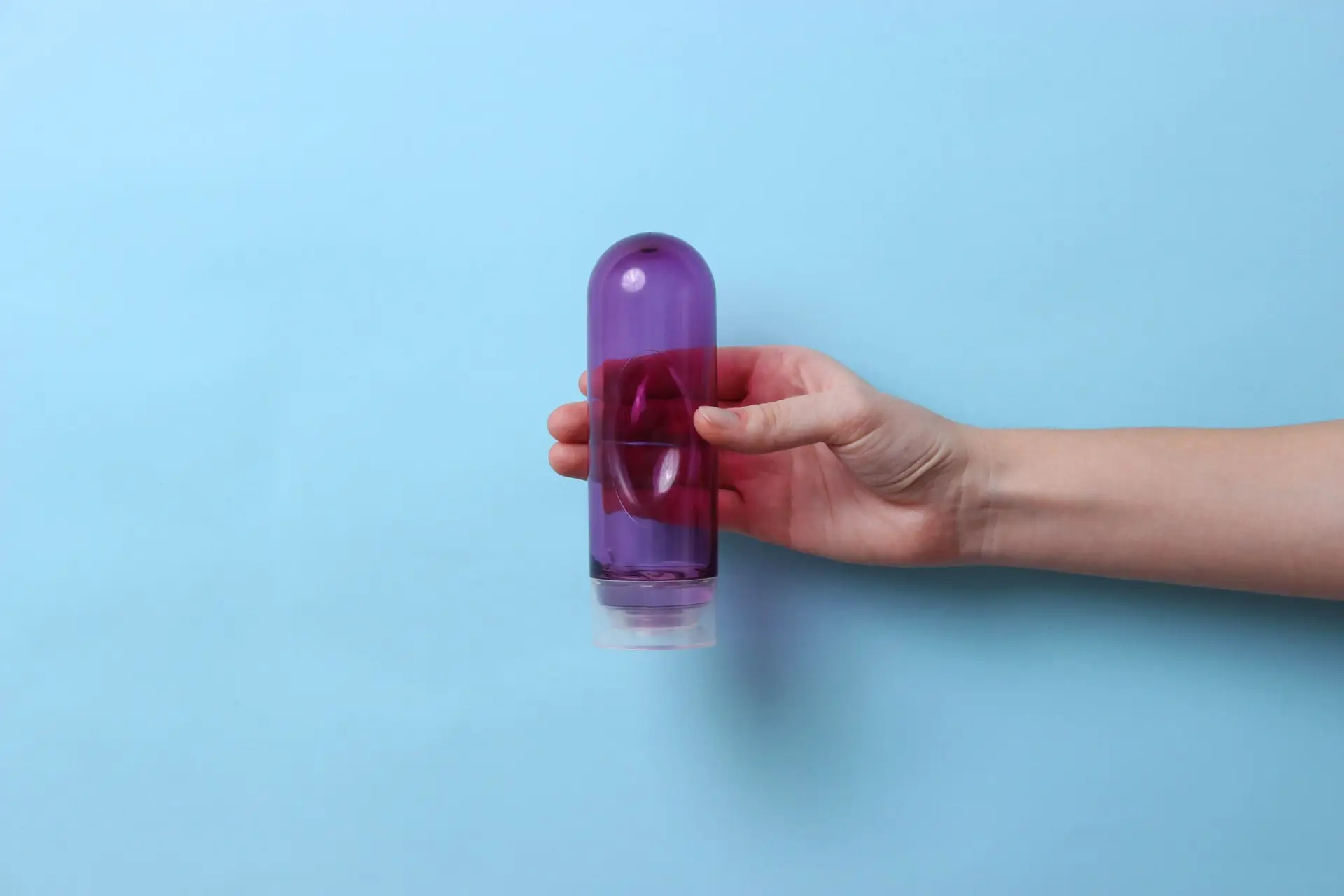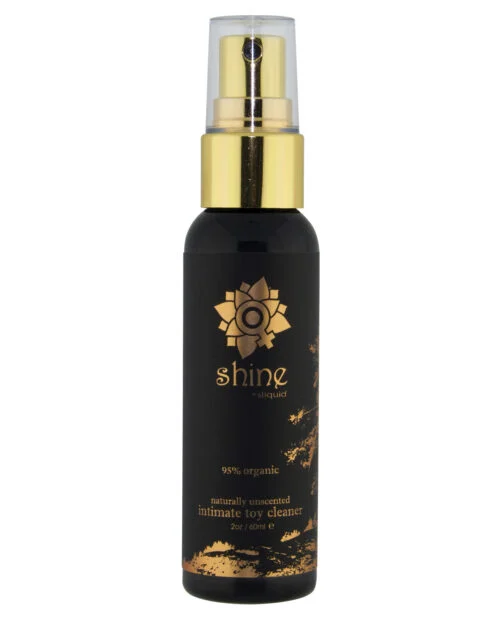
If you have sensitive skin, the wrong material or lubricant can lead to irritation, itching, redness, or discomfort. Fortunately, many condoms are designed specifically to minimize irritation while maintaining excellent protection against pregnancy and sexually transmitted infections (STIs).
This guide explains what causes condom-related skin irritation, how to choose the best option for your needs, and which features to look for before making a purchase.
Why Some People Experience Condom Irritation
Not all skin reactions are caused by the condom itself. Several factors can contribute to discomfort during or after use Polyisoprene-Condoms.
Common causes include:
- Latex sensitivity
- Allergic reactions to lubricants or spermicides
- Fragrances or added chemicals
- Dryness caused by insufficient lubrication
- Friction during intercourse
Understanding the cause helps you choose a product that works better for your body.
Signs Your Skin May Be Sensitive
You may have sensitive skin if you experience:
- Mild itching
- Burning sensation
- Redness
- Swelling
- Dryness after use
- Skin irritation that disappears after changing condom brands
If symptoms are severe or persistent, consult a healthcare professional to rule out allergies or other medical conditions.
Types of Condom Materials
Latex Condoms
Latex condoms remain the most common option and provide reliable protection. Many people use them without any issues.
However, if you experience irritation after every use, latex could be the cause.
Polyisoprene Condoms
Polyisoprene is a synthetic rubber that does not contain natural latex proteins responsible for most latex allergies.
Benefits include:
- Soft texture
- Flexible fit
- Comfortable feel
- Suitable for many people with latex sensitivity
Polyurethane Condoms
Polyurethane condoms are made from thin plastic rather than rubber.
Advantages include:
- Latex-free
- Good heat transfer
- Compatible with all lubricant types
- Strong protection when used correctly
Avoid Condoms with Spermicides
Some condoms contain spermicide, usually nonoxynol-9.
While it may provide additional contraceptive support, frequent exposure can increase irritation for some individuals.
If you have sensitive skin, choosing condoms without spermicide is often a better option.
Choose the Right Lubricant
Lubrication reduces friction and improves comfort.
Water-Based Lubricants
Water-based lubricants are:
- Gentle on sensitive skin
- Easy to clean
- Compatible with all condom materials
- Popular for everyday use
Silicone-Based Lubricants
Silicone lubricants:
- Last longer
- Reduce friction effectively
- Work well during longer sessions
- Are safe with latex, polyurethane, and polyisoprene condoms
Avoid Oil-Based Lubricants with Latex
Oil-based products such as petroleum jelly, baby oil, or coconut oil can damage latex condoms, increasing the risk of breakage.
Features to Look For
When shopping for condoms, consider products that offer:
- Latex-free materials if needed
- No added fragrance
- No dyes
- No spermicide
- Extra lubrication
- Dermatologist-tested materials when available
- High-quality manufacturing standards
Proper Storage Matters
Even the best condom can become less effective if stored incorrectly.
Store condoms:
- In a cool, dry place
- Away from direct sunlight
- Away from excessive heat
- Inside their original packaging until use
Avoid keeping condoms in wallets or cars for extended periods, as heat and friction may damage them.
Check the Expiration Date
Always check:
- Expiration date
- Package integrity
- Air bubble inside the wrapper
Never use a condom if the package is torn, damaged, or expired.
Finding the Right Fit
A condom that is too tight can increase pressure and discomfort.
A condom that is too loose may slip off.
Choosing the correct size improves:
- Comfort
- Safety
- Overall confidence
Many manufacturers offer regular, snug, and large sizes to accommodate different needs.
Practice Safe Use
To maximize protection:
- Open the wrapper carefully.
- Pinch the tip before rolling it on.
- Use additional compatible lubricant if needed.
- Hold the base while withdrawing.
- Dispose of the condom properly after use.
Never reuse a condom.
Myths About Sensitive Skin
Myth 1: Everyone with irritation has a latex allergy.
Fact: Many reactions are caused by lubricants, fragrances, or friction rather than latex itself.
Myth 2: Thicker condoms are always more comfortable.
Fact: Comfort depends on material, fit, and lubrication not just thickness.
Myth 3: More lubrication is harmful.
Fact: Using a compatible lubricant often reduces irritation and improves comfort.
Final Thoughts
Finding the best condoms for sensitive skin may require trying different materials and lubricant combinations. Many people discover that switching to latex-free condoms or using a high-quality water-based lubricant significantly improves comfort.
Prioritize products made with body-safe materials, avoid unnecessary additives, and always follow proper storage and usage guidelines. Choosing the right condom supports both comfort and safer sexual wellness.
Frequently Asked Questions
Are latex-free condoms as effective as latex condoms?
Yes. When used correctly, approved latex-free condoms provide effective protection against pregnancy and STIs.
Which lubricant is best for sensitive skin?
Water-based lubricants are generally the safest choice for people with sensitive skin because they are gentle and compatible with all condom materials.
Can condoms cause allergies?
Yes. Some individuals may react to latex, spermicides, fragrances, or other ingredients.
How do I know if I need latex-free condoms?
If irritation occurs consistently after using latex condoms and improves when using latex-free options, latex sensitivity may be a factor. A healthcare professional can confirm this if needed.
Should I stop using condoms if I have sensitive skin?
No. Instead, try changing the material, lubricant, or brand to find an option that is comfortable and suitable for your needs.